
This time, I skipped filming glossy model dorm rooms. Instead, I put the questions parents dare not ask yet burn to know to two separate people: a teenage girl from Beijing, and the house parent who looks after her every single day — then cross-referenced their responses.
Field Interview by Taylor · In-Depth Boarding Observation at American School of Bangkok (ASB)
Every day, parents message me backstage with the same set of worries: “My child wants to attend boarding school in Thailand, but I have no clue what to expect.” “What if I send a teen thousands of kilometres away with no one to oversee them? What if something goes wrong?” “Will they get bullied? What if they miss home badly? Could they fall in with bad crowds?”
Truth be told, admissions brochures will never give you unvarnished answers. All they offer are polished dorm photos and generic lines about “holistic education.”
That’s why I did this deep dive at ASB: I separately posed parents’ biggest fears to two individuals — Fiona, a Beijing girl who has completed a full year of boarding, and her house parent who oversees her daily life. I wanted to see if a student’s real boarding experience aligns with the school’s official portrayal.
Below is my unfiltered interview account.
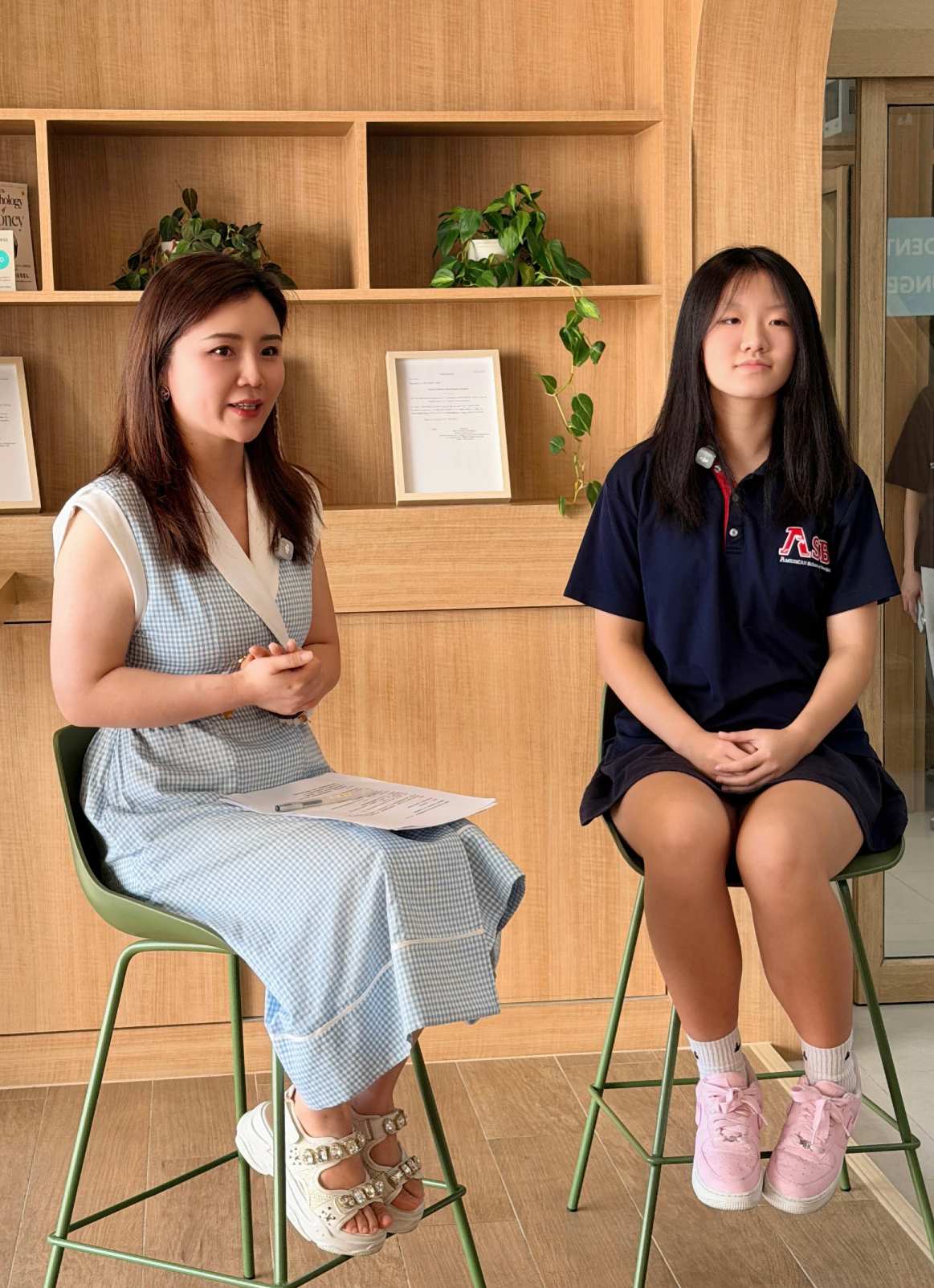
01 First Things Straight: What Exactly Is a House Parent?
Chinese parents tend to equate “dorm supervisors” with gatekeepers who only conduct nightly room checks. The role means something entirely different here. I asked the house parent directly what her core responsibilities entail.
House Parent’s Remarks
“We’re really there for overall pastoral care — taking care of social-emotional well-being, and not just the school experience.” “Our core work is all-round pastoral support. We prioritise students’ social and emotional health, rather than merely their academic performance.”
She elaborated in concrete terms: ensuring consistent sleep schedules, helping students adapt to dorm life, preventing social isolation, tracking academic progress, and monitoring emotional states — all fall under her remit. One statistic stuck with me: the entire boarding programme hosts roughly 20 students, split evenly between boys and girls. Each gender group lives on the same floor with a dedicated, live-in house parent providing one-on-one care. This is nothing like overcrowded dormitories with one supervisor for hundreds of students; it operates more like a small, closely-knit family unit.
Taylor’s Take
When speaking to admissions officers, parents should skip superficial questions like “how many students share one room?” and instead ask “what is the student-to-house-parent ratio?” Room capacity is just physical hardware, but staffing ratios determine whether your child will receive individual attention. ASB’s ratio is among the most attentive I have ever seen.

02 A Boarding Student’s 24 Hours (No Filter Version)
I asked Fiona to walk me through her daily routine in granular detail.
6:30 AM: Dorm wake-up broadcast. She hits snooze until 6:45 or 6:50 AM — a totally relatable teen habit. At 6:50 AM, the house parent knocks on doors to confirm everyone is up.
After washing and changing clothes, students retrieve their phones and laptops, which are collected the night prior.
All students must exit the dorm by 7:30 AM and report to homeroom by 7:35 AM.
2:40 PM: School finishes. During sports seasons, she attends volleyball or basketball training; otherwise, she returns to the dorm to finish homework or socialise with friends.
5:30 PM: Dinner. 6:00–8:30 PM is mandatory silent study time.
Evenings: She hits the gym or sports courts for training, followed by free personal time.
Device curfew: Middle schoolers hand in phones at 9:00 PM, high schoolers at 9:30 PM, before bedtime.
Practical Tip for Parents
Pay close attention to the rule requiring all electronics to be surrendered nightly. Fiona admitted she used to scroll on her phone until 10:30 or 11 PM back in Beijing. Here, devices are locked away promptly at 9:30 PM. Her exact words: “I hated this rule at first, but it genuinely taught me self-discipline.” Many parents pay hefty sums to send their children overseas, and this enforceable screen time boundary is precisely the structure most families cannot implement at home.
03 The Student Who Handed in a Fake Phone
This segment was my favourite part of the interview, as it lays bare unscripted reality. Fiona confessed openly that she once submitted a dummy phone she bought off Taobao — a realistic replica to trick staff, while hiding her real phone on her person. She got away with this trick for roughly two weeks before being caught.
Amusingly, the house parent’s account matched perfectly. She shared that students have tried submitting counterfeit phones before. On one occasion, a student handed over an iPhone 7, and the house parent immediately said: “I know this isn’t your actual device — hand over the phone you use daily.”
I included this story to address parents’ core anxiety: How does the school respond when a student misbehaves?
House Parent on Rule Violations
“When a student breaks a rule, we explain the purpose of the rule — that it’s for their own well-being. If it’s a smaller issue, we don’t contact the parents until it’s necessary.”
“Whenever a student violates regulations, we first explain why the rule exists: every policy is designed to protect their best interests. For minor infractions, we resolve issues internally before reaching out to guardians.”
In short: Small missteps are handled on campus with light penalties such as earlier device curfews to encourage accountability. Parents are only notified for repeated, serious misconduct.
Taylor’s Take
I know many Chinese parents will bristle at this approach and ask, “Why wasn’t I notified immediately when my child turned in a fake phone?” But reframe the perspective: A school that prioritises giving students space to correct their own mistakes, rather than passing every trivial issue straight to parents, proves it truly mentors children — instead of merely acting as surveillance staff. Growth requires room to make errors and learn independently.
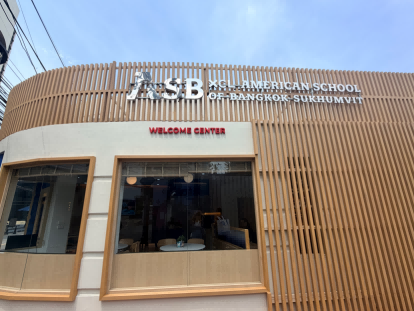
04 Who Supports Students Through Homesickness?
Homesickness is every parent’s biggest fear. I asked both Fiona and her house parent for their perspectives.
Fiona’s answer was calm: She does miss home, especially late at night or when facing setbacks. Yet her first instinct is never to call her parents — she turns to her house parent instead. One line she shared struck a chord with me: “I’m scared calling Mum and Dad will make them worry even more.”
At only 16 years old, she already prioritises shielding her parents from stress. The house parent’s framework for homesickness support is comprehensive:
House Parent on Homesickness
“It’s very normal to feel homesick. Everybody takes a different amount of time to adjust. We make sure they have enough support — checking in regularly, encouraging them to connect with friends and family, and we have a dedicated school counsellor on campus.”
“Homesickness is completely natural, and every student’s adjustment timeline varies. We provide consistent emotional check-ins, push them to communicate with peers and family, and a full-time school counsellor is always available for professional support.”
I pressed a harder follow-up question: How do staff spot students who pretend they are fine yet struggle internally? Her response resonated deeply: The small cohort size makes oversight seamless. House parents chat with every student daily upon their return to the dorm with a simple “How was your day?” paired with scheduled one-on-one meetings. Even quiet, reserved students cannot hide emotional distress.
Practical Tip for Parents
To gauge a boarding school’s quality, ask one targeted question: “If my child bottles up their feelings and refuses to open up, what concrete systems do you have to detect their struggles early?” Reliable schools will outline tangible protocols: daily check-ins, regular private meetings, and on-site counsellors. Vague replies like “our teachers are very caring” signal hollow marketing.
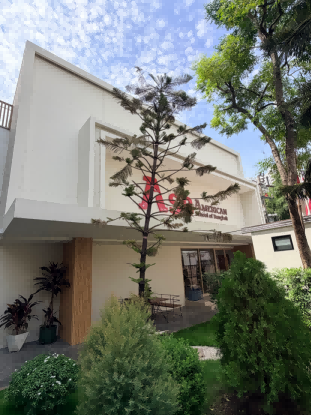
05 How Boarding Fosters Independent Growth
As the interview unfolded, I grew certain that boarding school’s greatest value is not its dorm facilities — but the independence it cultivates. Several small moments illustrate this shift:
During school breaks, if parents cannot pick their child up, the dorm arranges shuttle buses to the airport. Staff assist with check-in procedures and escort students all the way to security before departing.
Fiona now acts as her parents’ translator. When her family visits Thailand or travels to Pattaya, she handles all communication with locals.
She summed up her biggest transformation in her own words:
Fiona on Personal Growth
“I gained stronger self-management skills. Back home, I’d spend every evening scrolling my phone. That’s not an option here, so I hit the gym or sports courts with friends. I’ve become far more curious and proactive.”
The house parent articulated the core value of boarding even more clearly. I asked her: What critical life skill can boarding offer that day school cannot?
House Parent on the Meaning of Boarding
“It’s support and community. Students are pushed to mature, to be independent, and to understand themselves — at a faster rate.”
“Boarding provides a robust support network and a sense of belonging. It accelerates students’ emotional maturity, self-reliance, and self-awareness.”
Near the end of our talk, I asked Fiona to rate her boarding life out of 10; she gave it a 9. I followed up and asked if she would recommend ASB to students from China. She quoted a line from the school principal:You are always the best part of ASB.
To all anxious parents watching, she added one final thought, spoken gently: “ASB is my second home. You don’t need to worry excessively — children will leave their parents one day anyway.”
A 16-year-old delivered this line with quiet clarity. In that moment, I realised: Parents endlessly question whether their children are ready to leave home. More often than not, we are the ones who are not ready to let go.
— Taylor, Bangkok
If you are weighing boarding education options for your child in Thailand, feel free to message me backstage with your biggest concerns. I do not stoke unnecessary anxiety nor deliver biased school promotions — my only goal is to help you ask all the critical questions and get honest answers.