
Last month, we followed up with Marina Cui and her family, who are now based in Bangkok.
This 16-year-old girl from Shijiazhuang, Hebei, left a lasting impression on me. She is not particularly extraordinary; on the contrary, she embodies many outstanding Chinese teenagers: a top student beloved by teachers and a model student held up at parent-teacher meetings.
Yet she chose a different path.
Having spent one year in Thailand, I’d like to share her story with you. This is not to persuade you to make a certain choice, but to show you that there is a third way between the cutthroat academic rat race and opting out entirely.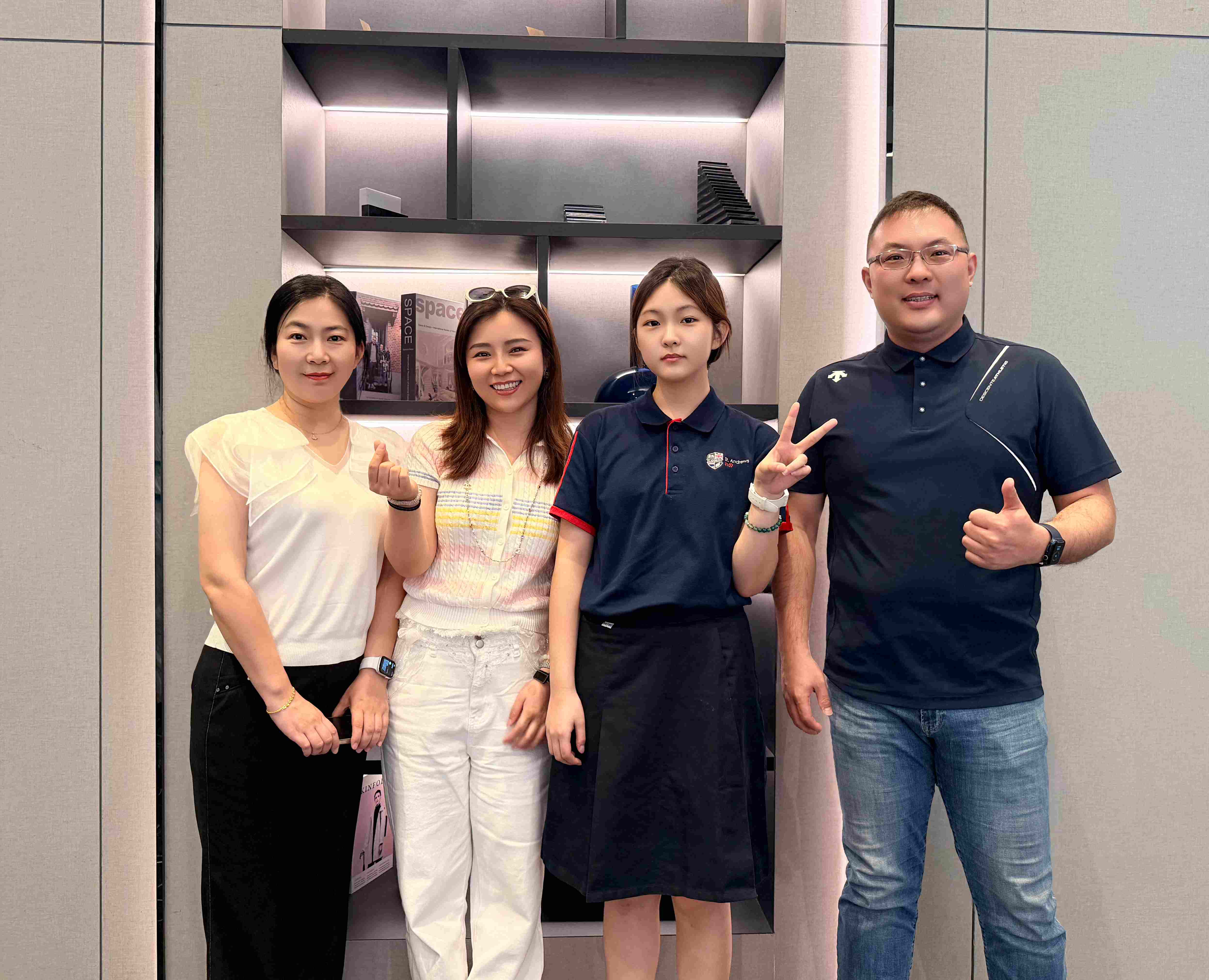
01 The More Excellent You Are, the More Weary You Become
What was Marina like back in China?
As her mother put it, the head teacher once said at a parent-teacher meeting: "If every student were like Marina, all parents would have an easy time."
It sounds perfect, doesn’t it? But this perfection came at a price only she knew. Marina told me that before moving to Thailand, she studied until midnight every day, and often even past 1 a.m.
Her mother confirmed this."She would keep studying until midnight. I once suggested looking up answers online to finish faster, but she is honest and principled. She said, ‘Mom, what’s the point of doing the work if I just copy answers?’"
I asked the parents: Was it the girl who wanted to step off the academic treadmill, or was it you?
Her father gave a straightforward and honest reply:"Both of us. We were all tired of the relentless competition. We just wanted her to enjoy life and stay relaxed within our means."
This is not escapism. Late one night, watching their daughter buried in homework under the desk lamp, the couple made a rational decision.
From the author: This is never a story about studying abroad because a child struggles academically. Quite the opposite. Marina is highly self-disciplined and hardworking, which made her parents even more concerned about her well-being. Choosing an international school is not merely an alternative academic path, but a free choice of lifestyle.
02 Trust Is a Valuable Skill
The family knew no one in Thailand before relocating here.
Her mother said they first found me on Douyin and got in touch. I asked if they ever worried about being scammed by someone they met online.
"The thought never crossed our minds. We reached out to you after seeing your content. Everything was uncertain when we came to Thailand, and you were the very first person we knew here."
I was deeply touched by her words, and also felt a great sense of responsibility. The whole family entrusted their new life and their daughter’s future to someone they met online — from apartment hunting and school selection to exam tutoring and visa procedures. They placed complete trust in us.
We certainly did not let them down. We assisted them every step of the way, from school application and tutoring to accommodation and arrival arrangements.
This is clearly a family with great insight: Hiring professionals for their expertise is the most efficient way to save time and energy.
Later, the mother met many other Chinese parents here. They play badminton together regularly, and she quickly integrated into the local community. Even without fluent English or Thai, they have no trouble with daily life.
From the author: We serve over 200 families every year. The most common worry we hear is coping with unfamiliar surroundings and language barriers. In fact, language is never the real challenge. What truly matters is bridging the information gap and having the courage to step out of your comfort zone. With reliable help, most anxieties can be resolved even before you arrive.
03 Language Barriers Are Not as Tough as You Think
Marina shared her experience during her first days at school.
International schools adopt a rotating class system, where students move to different classrooms for each lesson, with no fixed homeroom. As a new student with limited English and no familiarity with the campus, finding classrooms was her first big struggle.
"The rotating class system was totally different from schools in China. I often got lost. Fortunately, the staff at the reception were incredibly kind. Whenever I could not find my classroom or figure out my schedule, they would lead me there personally."
I asked if she could follow the lessons.
"Honestly, I couldn’t at first. So I turned to AI for help. I relied on AI throughout my first semester, and it worked wonders."
Her answer made me laugh, yet it also showed her strong problem-solving skills.
As she proved, language difficulties are only temporary. What determines a child’s adaptability is whether they can find effective solutions on their own.
During our campus tour, Marina was relaxed and confident, greeting teachers actively along the way. The confused newcomer who once got lost and struggled with classes is long gone.
Her father and daughter never worried much about adaptation, while her mother was the most anxious one. Later, she admitted all her worries were unnecessary — people here are far friendlier than she imagined.
From the author: Major international schools in Thailand all offer EAL (English as an Additional Language) support courses. Teachers and fellow students are exceptionally inclusive. Language is just a transitional hurdle, not an impassable barrier.
04 To Let Go Is to Truly Believe in Your Child
What impressed me most throughout the interview was the parents. They managed to do what most parents talk about but rarely achieve: let go.
This is not neglect, but genuine freedom built on trust.
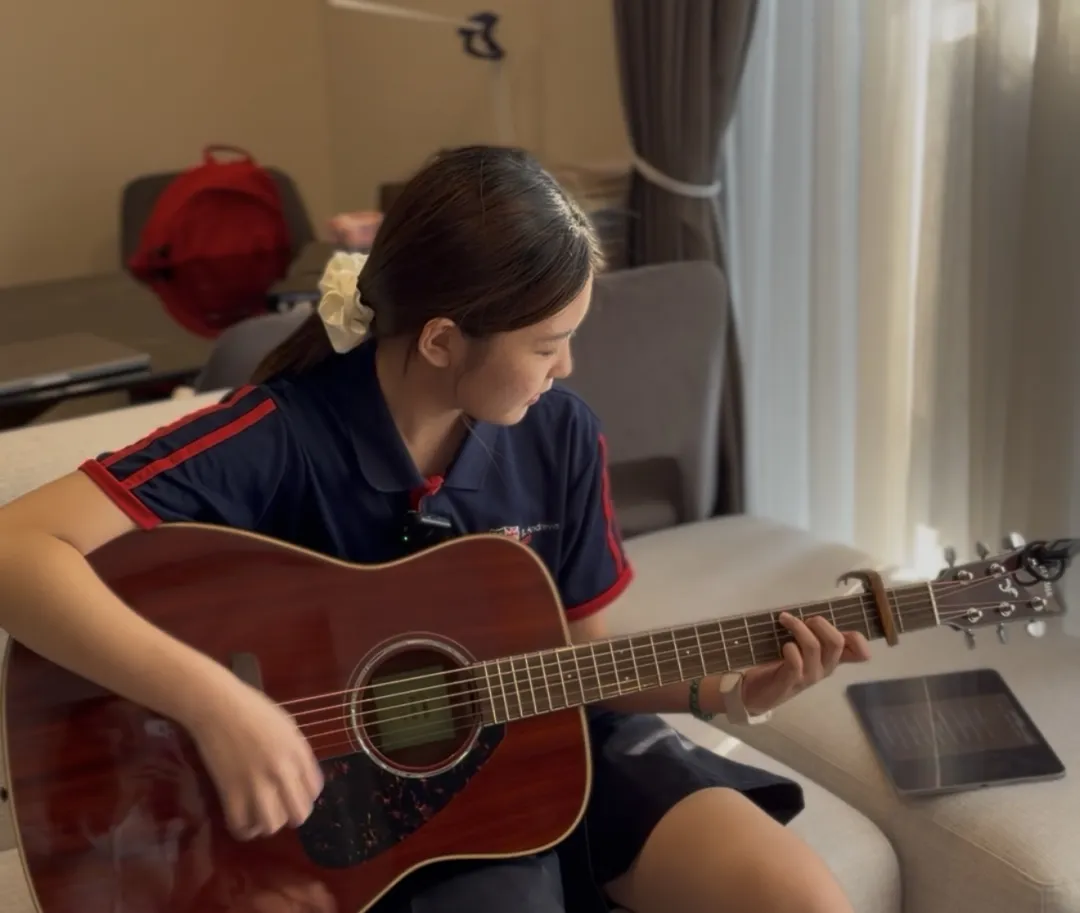
Marina loves music and wanted to learn the piano by herself. Her mother planned to find a tutor for her, but Marina refused.
"I think it’s better to teach myself first before taking professional lessons."
This 16-year-old has a clear understanding of learning: Inner motivation comes first. A good teacher matters less than a genuine desire to learn.
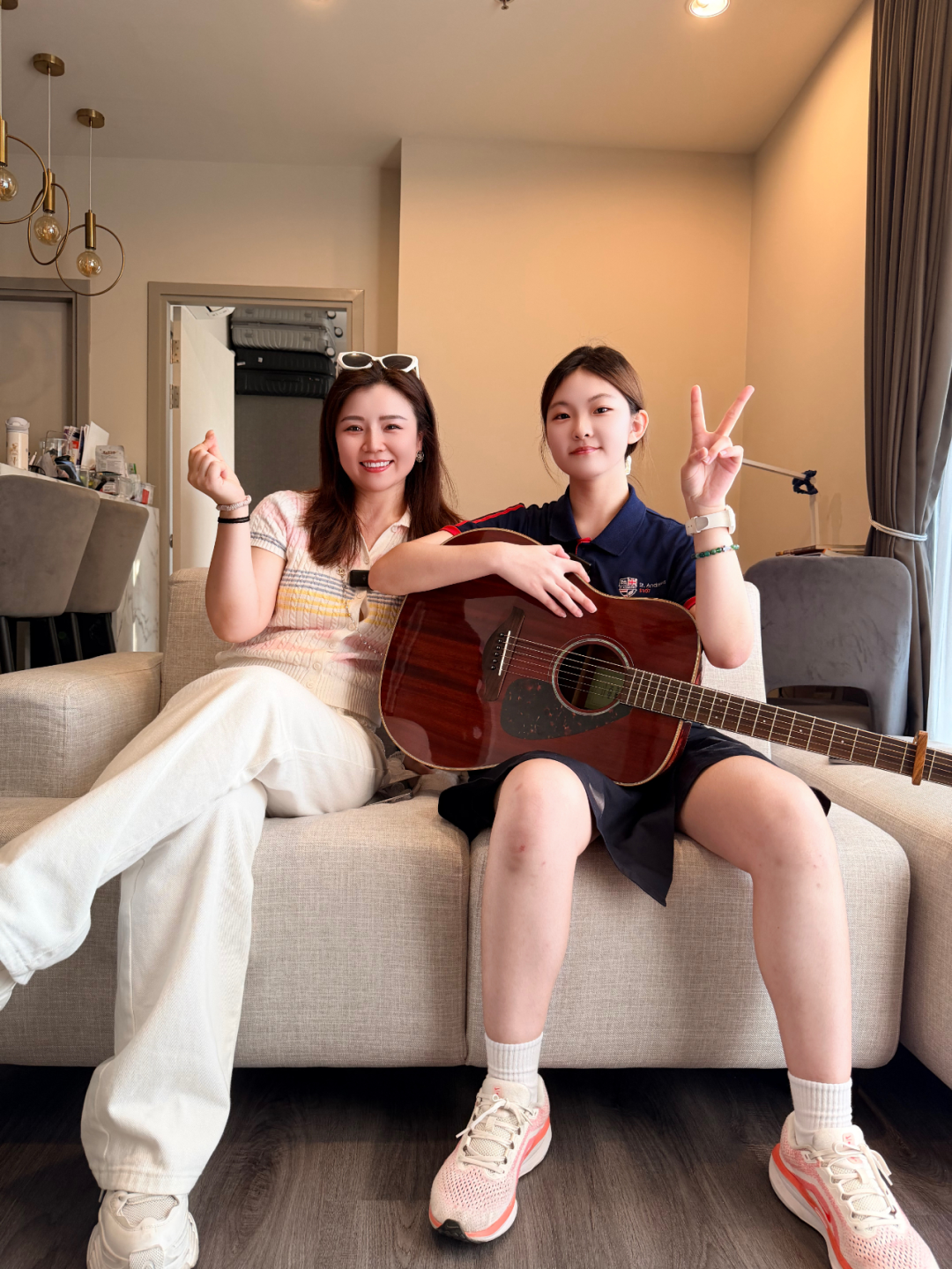
Her mother respected her decision. Amazingly, Marina not only mastered the piano, but also taught herself to play the guitar. She uses audio software to create harmonies, mix recordings of her performances and singing, and has produced complete music pieces.
When asked about her daughter’s biggest changes over the past year, her father’s answer surprised me.
"She has become much more confident, improved her self-study ability and learned to manage herself well. Besides, she has started wearing makeup. I think it’s a great thing for a young girl — it’s her way of expressing individuality, and there is nothing wrong with it."
I really admired his mindset. How many parents can view their teenage daughter wearing makeup without worry or judgment, and even see it as a positive sign of growth?
When talking about getting along with teenagers, the mother summed it up in two words:
"Just let go."
After reflection, I realize the reason they can do this is their inner peace. They trust their daughter and the choices they have made.
From the author: Many parents advocate for holistic and happy education, yet grow anxious when school finishes early and rush to fill their children’s schedule with extra classes. True letting go means parents first ease their own anxiety, instead of passing it on to their kids.
05 What a 16-Year-Old Is Thinking About
Towards the end of the interview, I asked Marina: If you could say something to your present self ten years from now, what would it be?
She replied without hesitation: "Have you earned a million yet?"
I was stunned at first, then laughed and applauded her.
To put it in perspective, tuition and living expenses for one year in Bangkok cost at least 400,000 RMB. What strikes me is that Marina has been thinking about how to earn that money back. She even turned the tables and interviewed me, asking how to earn her first million in life.
After one year of studying in Thailand, this is what a 16-year-old chooses to ponder. No one pressured her or taught her to think this way. She simply has more time for independent reflection.
I have met plenty of privileged children in my work, but she is the first one who seriously thinks about earning money and creating value.
I have no doubt that she will have a bright future, whether she attends a top university, majors in music or business, or takes any other path in life.
06 Changes After One Year in Thailand
I asked Marina how she has changed over the past year.
"I’m more confident now, my English has improved, and I’m better at self-directed learning."
Her mother added: "She is highly self-managed. She studies on the fifth floor by herself every day and even makes her own breakfast."
Her father said: "She has developed a passion for sports and is in better health. And of course, she has learned to wear makeup."
None of these changes are about exam scores, yet every single one shows she is growing into a better version of herself.
Final Words from the Taylor
I have been working in this industry for six years and helped over 800 families settle down in Thailand.
I have met all kinds of families: some come here to escape pressure, some for a transitional period, and others truly want their children to live a different life.
Marina’s family belongs to the last group.
Their choice comes with sacrifices: an annual cost of at least 400,000 RMB, leaving their familiar hometown, and concerns from relatives back in China over safety. Still, they chose to trust — trust their daughter, trust the new environment, and trust the people who offered help.
In return, they have gained a more confident girl, a more relaxed family, and wonderful experiences in a foreign land. All of these will shape the unique Marina, and this journey will become a precious memory for the whole family.
Do you have any questions?
I can assess your child’s English proficiency, analyze optimal enrollment timelines, and sort out key points in the application process. Feel free to send me a private message for one-on-one consultation.